End-Stage Cancer Care: Passing Peacefully at Home
by YDCare Homecare Team
|
May 19,2026
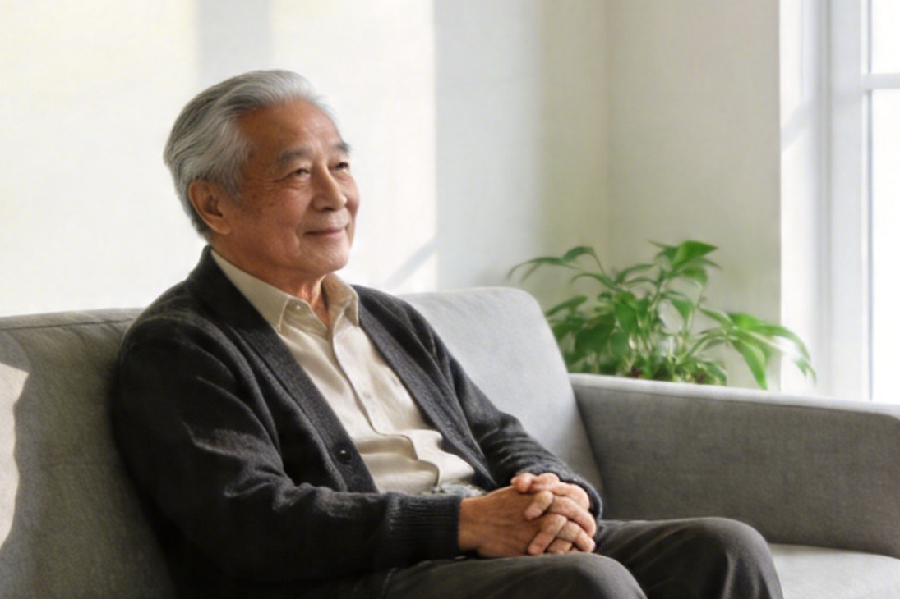
Mr.
Lee had end-stage cancer, and his condition gradually progressed into the final
stage. He became increasingly tired, experienced pain in different parts of his
body, and found even eating or turning in bed difficult. His family understood
that his care had entered a different phase. Their wish was simple: they wanted
him to spend his remaining days at home, in a familiar place, surrounded by his
family, instead of going in and out of hospital repeatedly.
However,
once care moved home, the family realised how heavy the pressure could be. At
times, Mr. Lee's breathing became more laboured. At times, he had more sputum.
Some days, he was so tired that he spoke very little. What worried the family
most was not knowing what might happen next. What should they do if the pain
became worse? What if he suddenly became breathless? If his condition changed
at night, did it always mean calling an ambulance? Even when they were by his
side, these uncertainties made it hard for them to feel calm.
After
understanding Mr. Lee's condition and the family's wishes, YDCare arranged home
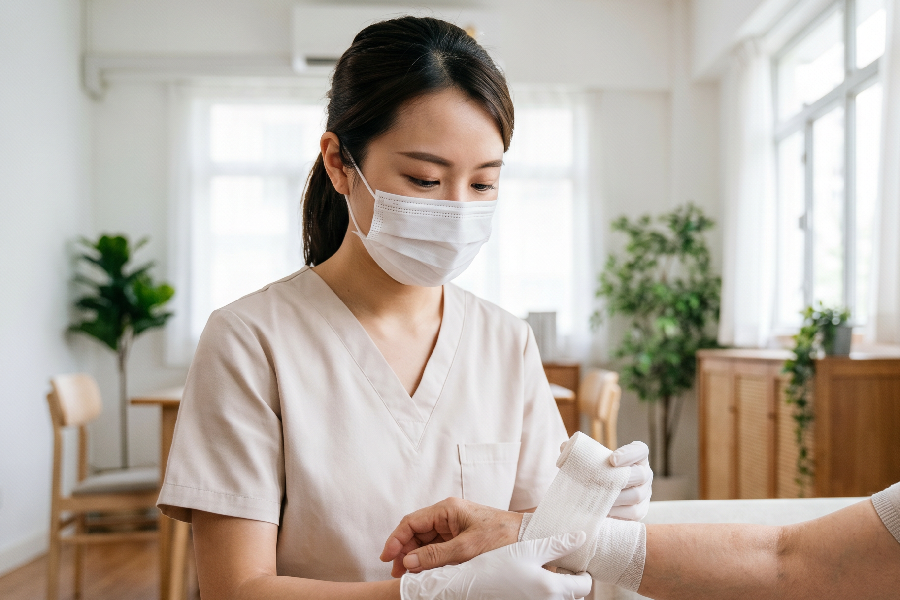
cancer care and end-of-life nursing support. Registered nurses visited daily
and, according to the doctor's prescription and Mr. Lee's needs, assisted with
blood taking, intravenous infusion, daily monitoring, and end-of-life care at
home. During each visit, the nurse did more than check vital signs. The nurse
also observed his level of consciousness, breathing pattern, sputum condition,
pain expression, skin condition, and overall comfort, while explaining to the
family which changes required closer attention.
As
Mr. Lee was bedridden for long periods, the nurse helped the family with
positioning, regular turning, keeping the skin dry, and using an air mattress
to reduce the risk of pressure injuries. When his appetite became poor, the
focus was no longer on forcing him to eat, but on offering small amounts of
soft, easy-to-digest food when he was able to take it. The goal was comfort and
dignity. Oxygen equipment and a suction machine were also prepared at home, so
the family would not feel helpless if symptoms changed.
For
the family, having a nurse at home did not mean turning the home into a
hospital ward. It meant that someone could help interpret each change, guide
them through each anxious moment, and support them when they did not know what
to do. When Mr. Lee's breathing gradually slowed and his body became more
relaxed, the family did not have to face the moment in panic. They could simply
stay by his bedside, hold his hand, and say what they wanted to say.
In
the end, with his family beside him and the support of the visiting nurses, Mr.
Lee passed away peacefully at home. His family later shared, “At home, we no
longer had to panic. Having someone there to help with the care gave us so much
reassurance.”
Service
Highlights:
•
Registered nurse home care for 8 to 12 hours per day
•
Blood taking, intravenous infusion, and daily monitoring according to the
doctor's prescription and clinical needs
•
Observation of breathing, consciousness, pain, sputum, skin condition, and
overall comfort
•
Assistance with feeding, oral care, personal hygiene, turning, and bedside care
•
Support with home medical equipment such as an air mattress, oxygen equipment,
and suction machine
•
End-of-life care guidance and emotional reassurance for the family
Helpful
Reminder: Medical procedures such as blood taking and intravenous infusion must
be carried out under a doctor's prescription and performed according to
clinical instructions by qualified healthcare professionals. YDCare can assist
with doctor referral and home nursing arrangements when needed.
For
enquiries about end-stage cancer home care or end-of-life care support at home,
please contact YDCare.
Read More:
Advance Care Planning (ACP) and End of Life at Home: 2026 Hong Kong Policy & Guide
From Hospital Ward to Home Care: My First Palliative Care Case at YDCare