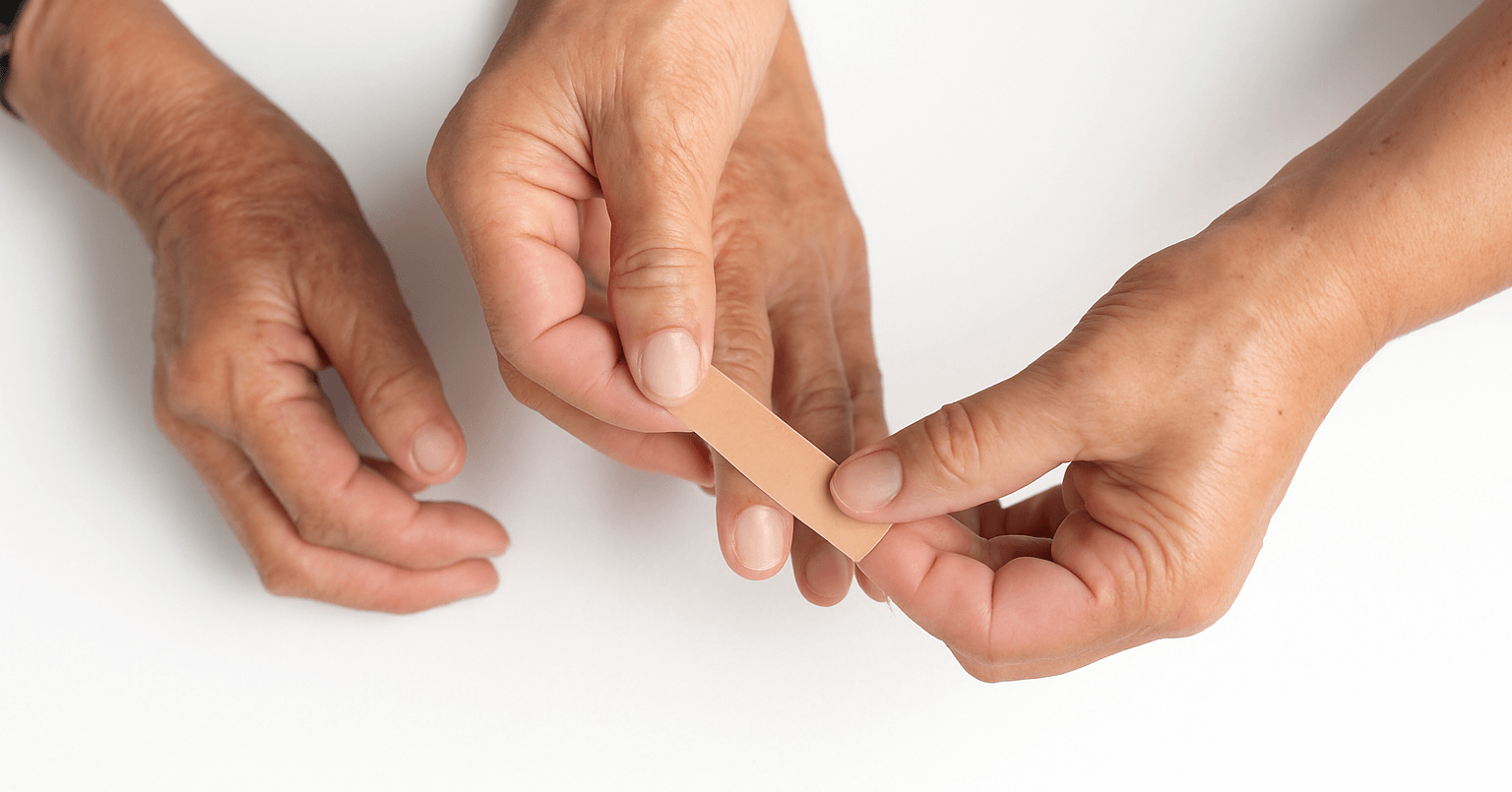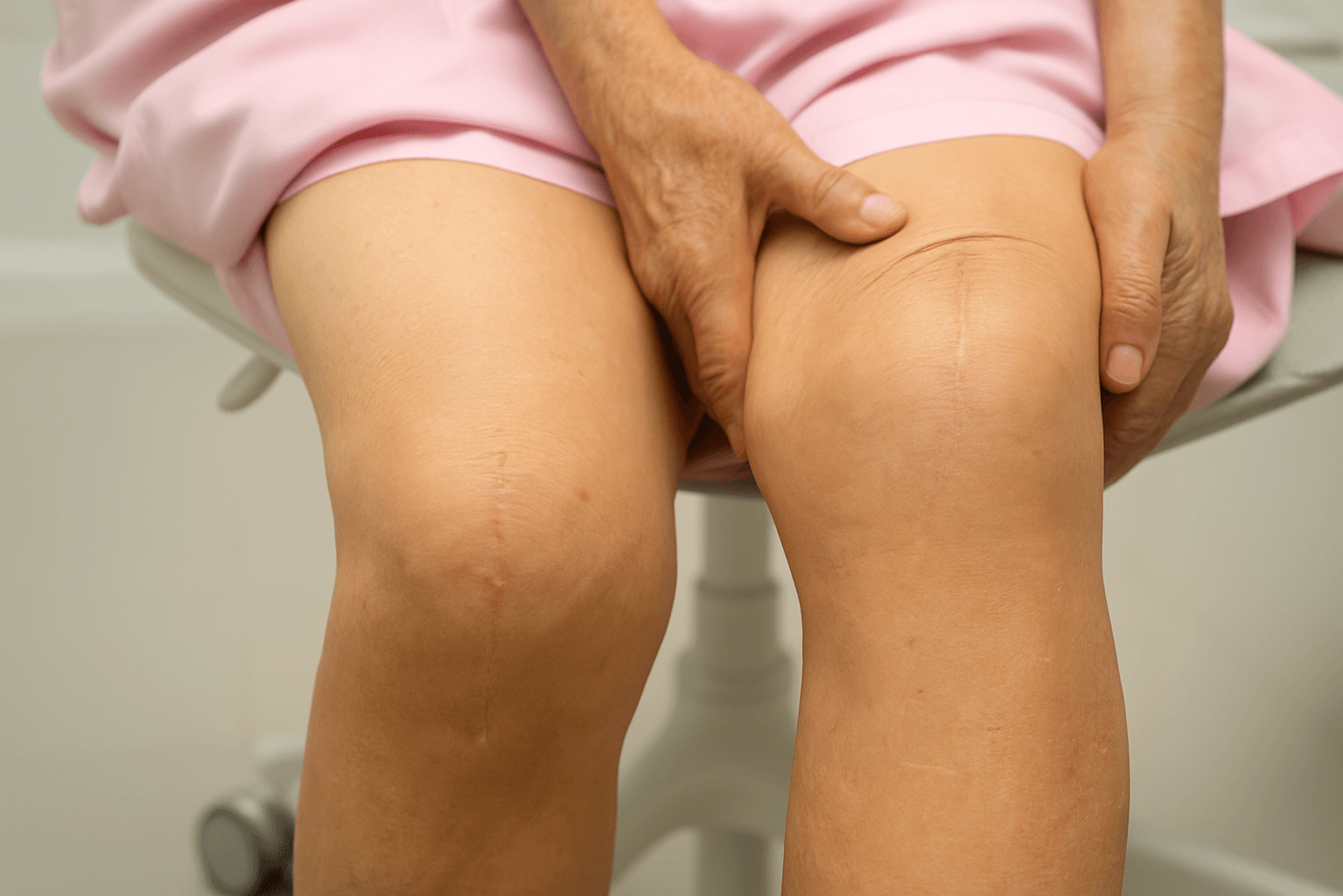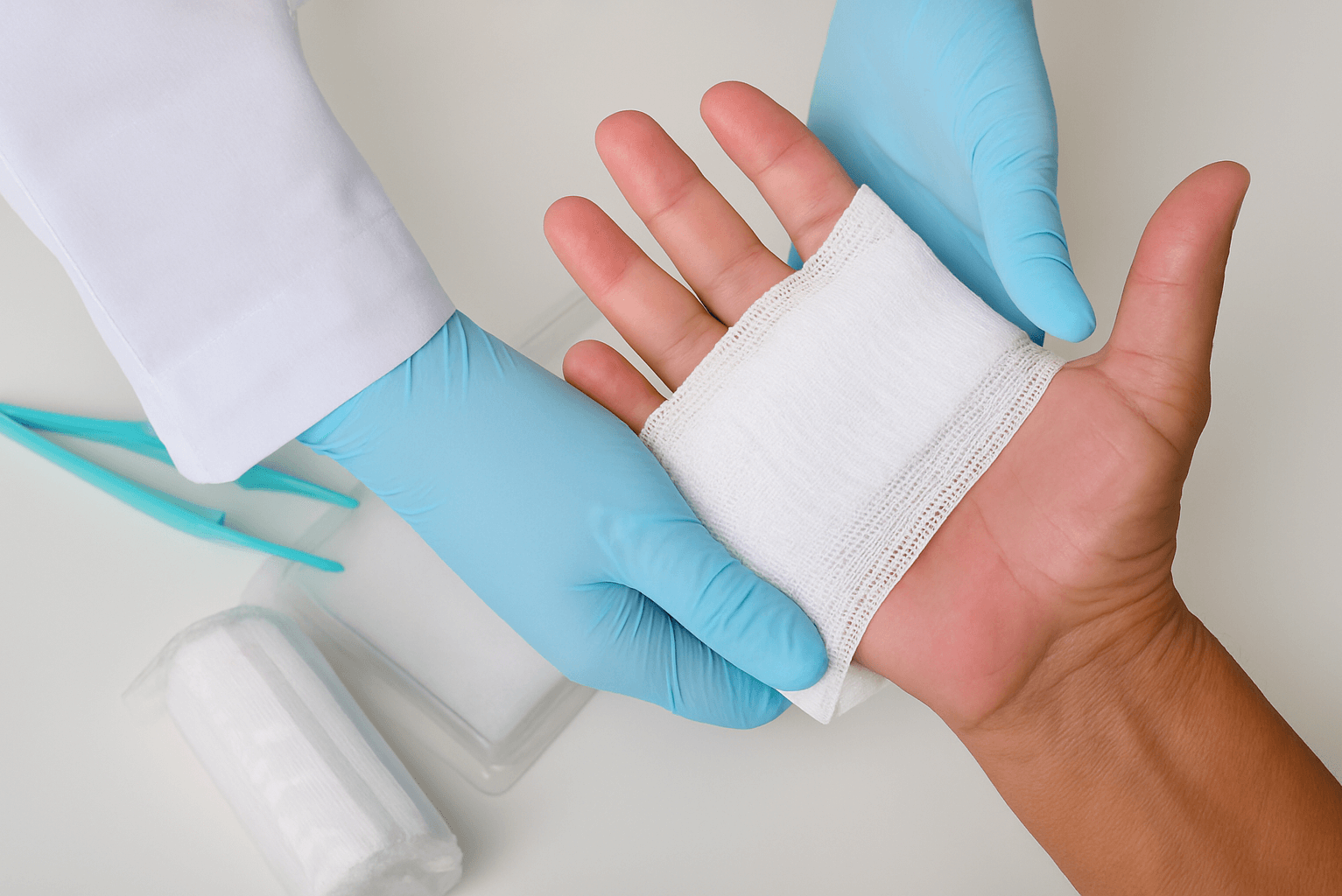
The skin is the body's largest organ, protecting against external threats (bacteria, UV rays) while regulating temperature and sensation. Different skin conditions require individualised management:
30%
Healing with Negative Pressure Wound Therapy (NPWT)
≈ 53%
Healing rate for Stage II Pressure Injuries
75%
Wound area within one week
Home care offers a safe and convenient solution for patients requiring long-term wound management or skin care.
Focuses on timely intervention. The home environment reduces stress and promotes healing. Our nurses perform regular aseptic dressing changes to minimise infection risks, ideal for post-operative patients or those with limited mobility.
Requires long-term comprehensive care. We continuously monitor the progress of chronic wounds like Pressure Injuries and Diabetic Foot Ulcers, adjusting care plans promptly to prevent deterioration and relieve the burden on family caregivers.
Focuses on barrier protection and hydration. Professional home guidance effectively prevents the worsening of issues like diaper rash, particularly suitable for bedbound patients.
Our specialist Wound and Stoma team delivers bespoke care plans managed by expert wound nurses and nursing professionals, ensuring reliable, high-quality clinical support at home.
Nutritional guidance for wound healing
Daily Living Assistance:
Family Support Services
Home environment safety assessment & modification advice
Do you need personalised, comprehensive care but are unsure how to find the right professional?
Get a Free Assessment Now to discover the specialised care plan that fits your needs.

Led by nurses with HK-certified Wound & Stoma Care qualifications, we ensure you receive safe, effective, professional care at home.

Many line-related problems happen accidentally during normal daily activity.

Discover the threshold signs that require immediate medical intervention.

Discover the critical home rehab protocol flaws and how professional home physiotherapy can secure a safe recovery journey.

Ensure you review the protocol flaws and critical warning signs

Palliative care support helped a terminal cancer patient remain comfortable at home during her final weeks.

Having domestic helpers does not always meet complex post-discharge care needs.