According to the Hong Kong Cancer Registry, approximately 100 new cases are diagnosed daily in HK.
Cancer occurs when abnormal cells divide uncontrollably, disrupting the body's balance. Doctors use staging (Stage I-IV) to map the disease's extent—including tumour size and spread—to determine the best treatment strategy.
These symptoms often compound, significantly impacting the daily lives of patients and their families.
38%
Hospitalisation rates [1]
30%
A&E visits [1]
29%
Patient depression [2]
41%
Quality of life (advanced stages) [2]
53%
Cost savings compared to hospitalisation [3]
= 73%
Preference for home care [4]
We understand that every cancer journey is unique—whether it involves respiratory support for lung cancer, stoma care for colorectal cancer, or lymphoedema management for breast cancer. We have developed a "3-Stage Care Model" to support you through every phase:
Designed for patients in early to mid-stages. You can receive Targeted Therapy and medical support at home, ensuring comfort while staying close to your loved ones.
For patients with progressing conditions. Our nurses closely monitor for severe infections, pain, or complications, providing a safety net to prevent panic and avoid unnecessary hospital trips.
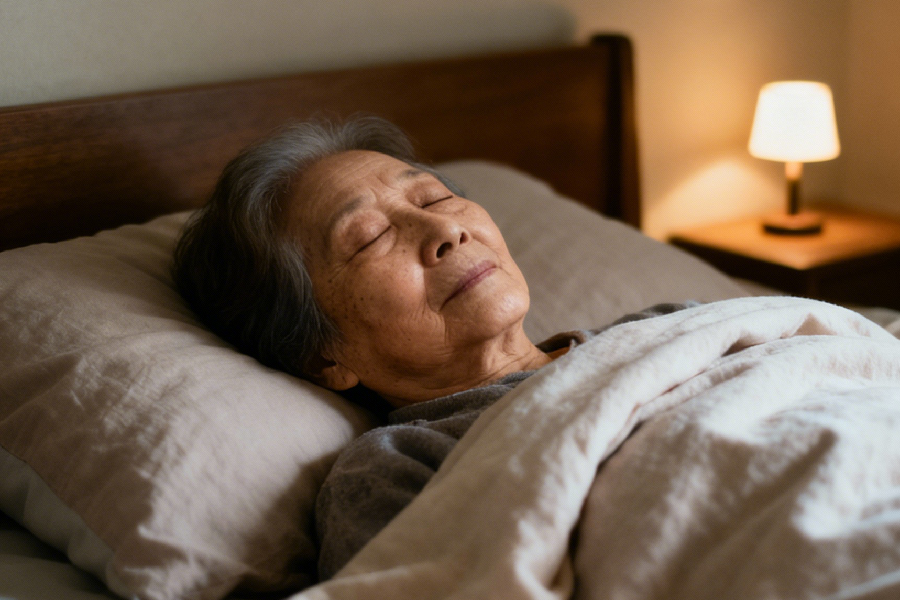
For end-of-life care. Patients can pass with dignity in their familiar home environment, while we provide grief counselling to support the family.
YDCare supports you through every stage of cancer treatment and its complications with hospital-grade clinical expertise.
1.1x Registered Nurse Assessment
2.1x Written Assessment Report
Limited quota, first-come-first-served. Not a substitute for medical diagnosis; seek hospital care for acute symptoms.

Many line-related problems happen accidentally during normal daily activity.

Discover the threshold signs that require immediate medical intervention.

Discover the critical home rehab protocol flaws and how professional home physiotherapy can secure a safe recovery journey.

Ensure you review the protocol flaws and critical warning signs

Palliative care support helped a terminal cancer patient remain comfortable at home during her final weeks.

Having domestic helpers does not always meet complex post-discharge care needs.