How to Use Medical Insurance for Private Nursing: Coverage and Claim Preparation
by YDCare Homecare Team
|
October 13,2026
After surgery or hospital discharge, a patient may still require wound or catheter care, medication support or health monitoring. Some patients may also need one-to-one private nursing during a hospital stay. Certain medical insurance plans cover private nursing in hospital, home nursing after discharge or nursing care following surgery. Coverage depends on the policy benefits, the patient’s care needs and the insurer’s claim requirements.
When Private Nursing May Be Covered
1. One-to-one nursing in hospital
After major surgery, cancer treatment, or intensive care, a patient may need closer individual nursing. A policy may describe this as Private Nursing, Private Nurse’s Fee, or a similar benefit. It is separate from routine nursing care provided on a hospital ward.
2. Nursing after surgery or discharge
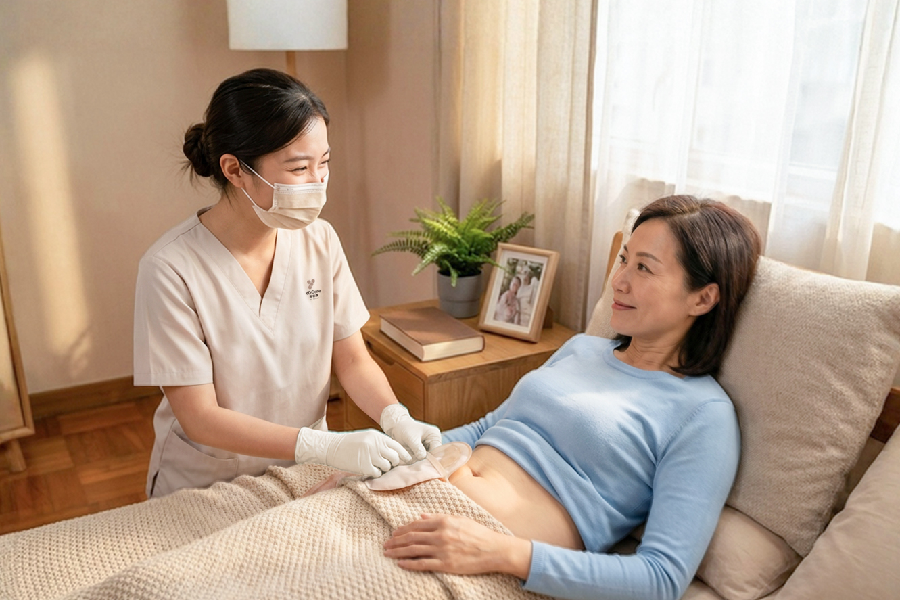
Some patients can recover at home but still need regular dressing changes, stoma or catheter care, medication support, or continued monitoring. These services may appear under Post-Confinement Home Nursing, Post-Surgery Home Nursing, or Home Nursing.
Home nursing cover generally applies to professional nursing services provided by a qualified nurse. Companionship, cooking, cleaning, and help with daily activities may not fall under the same benefit.
3. Short-term nursing after a day case procedure
A day case procedure does not require an overnight hospital stay, but a patient may still need wound monitoring, dressing changes, or short-term nursing at home. Some medical insurance plans cover home nursing after a day case procedure, while others cover nursing only after hospitalisation.
If nursing care is needed after a day case procedure, check whether the policy includes Day Case Procedures or Home Nursing Following Surgery.
Finding Private Nursing Cover in Your Policy
Insurers may use different names for similar nursing services. When reviewing the Benefit Schedule or Policy Terms and Conditions, look for items such as:
- · Private Nursing or Private Nurse’s Fee
- · Home Nursing
- · Post-Confinement Home Nursing
- · Daily Home Nursing Following Surgery
Selected medical plans from FWD, Bupa, AIA, Manulife, Prudential and AXA include private nursing or home nursing benefits under different names.
For example, FWD’s vPrime Medical Plan lists Private nurse’s fee and Post-Confinement home nursing as separate benefits. AIA’s VHIS Privilege Ultra Scheme lists benefits for private nursing and home nursing after surgery. Prudential’s PRUmyhealth prestige medical plan lists Private nursing and Daily post-surgery home nursing.
However, the care setting, qualifying circumstances, covered days, and reimbursement limits vary by product. Even plans from the same insurer may differ. The relevant Benefit Schedule and Policy Terms should therefore be reviewed, and coverage confirmed with the insurer before care is arranged.
Preparing for a Private Nursing Insurance Claim
For patients with medical insurance who plan to arrange private nursing or home nursing, coverage requirements should be confirmed before care begins. Relevant documents should then be kept after the service.
Before care: Confirm coverage and care arrangements
- · Policy and coverage level
- · Pre-authorisation requirements
- · Doctor’s referral requirements
- · Nurse qualification requirements
- · Coverage period, day limit and reimbursement limit
When enquiring, provide the discharge or surgery date, doctor’s recommendation, required nursing care, service dates and estimated hours.
After care: Keep the claim documents
An insurer may request the following when assessing a claim:
- · Doctor’s referral or written recommendation
- · Discharge summary and surgery or Day Case Procedure details
- · Nurse qualification records
- · Service dates, hours and nursing records
- · Official receipt and itemised bill
- · Completed medical claim form
Requirements and submission deadlines vary by insurer. Checking them in advance helps avoid missing claim documents.
Planning Nursing Care with Medical Insurance
YDCare can help arrange private nursing in hospital or home nursing after discharge, based on the patient’s condition, care setting, and doctor’s recommendation. Services include wound and stoma care, catheter care, medication management, vital signs monitoring, and post-operative nursing care.
Patients with medical insurance who plan to make a claim can provide their policy and relevant medical information when enquiring. YDCare can help assess nursing needs, arrange suitable nursing staff, and provide official receipts, itemised charges, and service records for the patient to submit according to the insurer’s requirements.
Actual coverage, required documents, and reimbursement amounts are subject to the individual policy terms and the insurer’s assessment.
Read More:
Does Your Health Insurance Cover Private Nursing? What to Know Before Arranging Care
Use Medical Insurance for Home Care