From Avoiding Personal Care to Regaining Independence: A Cervical Cancer Patient’s Journey at Home
by YDCare Homecare Team
|
November 2,2026
Cancer treatment affects more than just
physical health. Changes in appearance, emotional distress and difficulties
with everyday activities can also take a toll. For patients, learning to care
for themselves again often takes time, understanding and support.
The Initial Assessment: When Physical
Challenges Affect Emotional Wellbeing
In her 50s, Ms Chan was diagnosed with
cervical cancer and began a course of radiotherapy and chemotherapy. During
treatment, she developed painful skin damage around her genital area and became
increasingly frail. She also experienced severe diarrhoea and electrolyte imbalances,
making ongoing monitoring of her condition essential.
During the initial home assessment, the
YDCare care team found that Ms Chan was struggling both physically and
emotionally.
The changes brought about by treatment had
affected her confidence, and she found it particularly difficult to face the
wounds and personal care needs involving her genital area. Even something as
routine as taking a shower had become a challenge. At times, she went four to
five days without bathing and struggled to maintain her usual personal hygiene.
Ms Chan was also living with her elderly
parents, who had limited mobility and cognitive impairment and needed help with
daily activities. While managing her own treatment and care, she continued to
worry about her parents’ needs, adding to the emotional strain she was already
experiencing.
When caring for yourself becomes a
struggle, having to care for family members at the same time can make an
already difficult situation even harder.
Rebuilding Confidence Through Everyday Care
After assessing Ms Chan’s condition and
daily needs, YDCare care team arranged home care support from registered nurses
and healthcare workers.
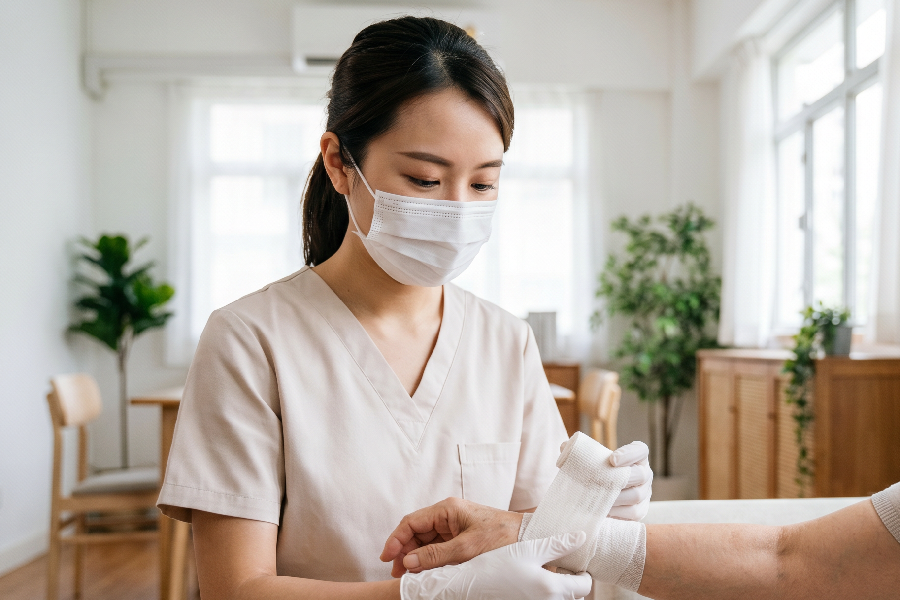
The registered nurses provided wound care
following radiotherapy, assisted with intimate hygiene and urinary catheter
care, and monitored her skin condition for signs of further damage or abnormal
bleeding. They also kept track of her blood test results, electrolyte levels,
diet and fluid intake to help monitor changes in her condition throughout
treatment.
During the day, healthcare workers assisted
Ms Chan with bathing, personal hygiene, body massage and gentle stretching
exercises. They also applied skin-protective ointments as needed.
When Ms Chan was reluctant to bathe or
struggled to face the changes in her body, the healthcare workers encouraged
her patiently and helped her gradually rebuild her daily hygiene routine.
Sometimes, what a patient needs is not to
be told to stay strong, but to have someone who understands how difficult
things have become and is willing to help them take one step at a time.
Care Beyond the Physical: Emotional Support Matters
During the course of care, Ms Chan
experienced moments of significant emotional distress. The physical changes
associated with cancer treatment can affect a person’s body image and sense of
control over their life. When care focuses solely on wounds and physical
symptoms, a patient’s emotional needs can easily be overlooked.
The care team took time to listen to Ms
Chan, offer reassurance and provide emotional support. Where appropriate, and
with her consent, gentle physical gestures of comfort also helped her feel
cared for and understood.
The team also recognised the wider
pressures Ms Chan was facing at home. Her elderly parents needed help with
daily activities, and communication within the family was sometimes
challenging. While assisting with their daily care, the healthcare worker also
took time to communicate with Ms Chan’s father, helping to ease tensions and
encourage better understanding within the family.
For a family coping with prolonged cancer
treatment, meaningful support goes beyond medical care. It helps ease the
burden on the patient and allows family members to share caregiving
responsibilities more effectively.
Six Weeks Later: From Avoiding Personal
Care to Taking an Active Role
After approximately six weeks of home care,
Ms Chan’s emotional wellbeing had improved, and she gradually became more
confident in caring for herself.
Initially, she was reluctant to receive
intimate care and avoided bathing. Over time, she began to accept the changes
in her body and take a more active role in her personal hygiene. These changes
reflected more than an improvement in her daily routine; they also showed that
she was gradually regaining confidence in her ability to care for herself.
As Ms Chan’s condition improved, YDCare
adjusted the care arrangements to match her changing needs, gradually reducing
some service hours. This allowed her to regain greater independence while
continuing to receive appropriate support.
The goal of home care is not simply to
take over a patient’s daily care, but to help them regain the confidence and
ability to care for themselves, with the right support along the way.
Services Provided
- - Home Nursing Care: Wound care
following radiotherapy, intimate hygiene, urinary catheter care and
monitoring of physical condition
- - Daily Personal Care: Assistance
with bathing, personal hygiene, skin care, body massage and gentle
stretching exercises
- - Emotional Support: Patient
listening, emotional reassurance and companionship
- - Daily Living Support: Assistance
with maintaining personal hygiene and daily routines, while gradually
building confidence in self-care
Read More: